
Explore experiences in Ranua and choose the activity that suits you.
Winter and spring activities
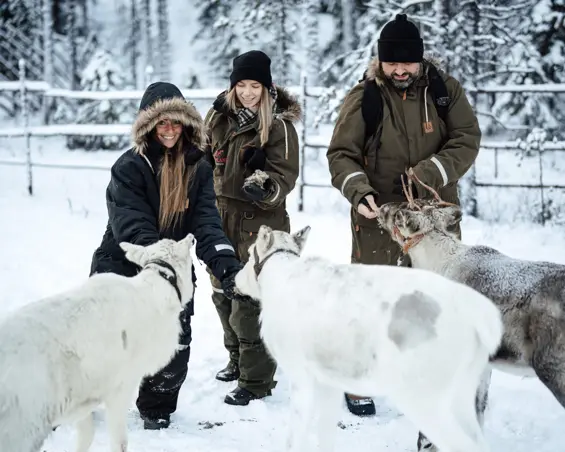
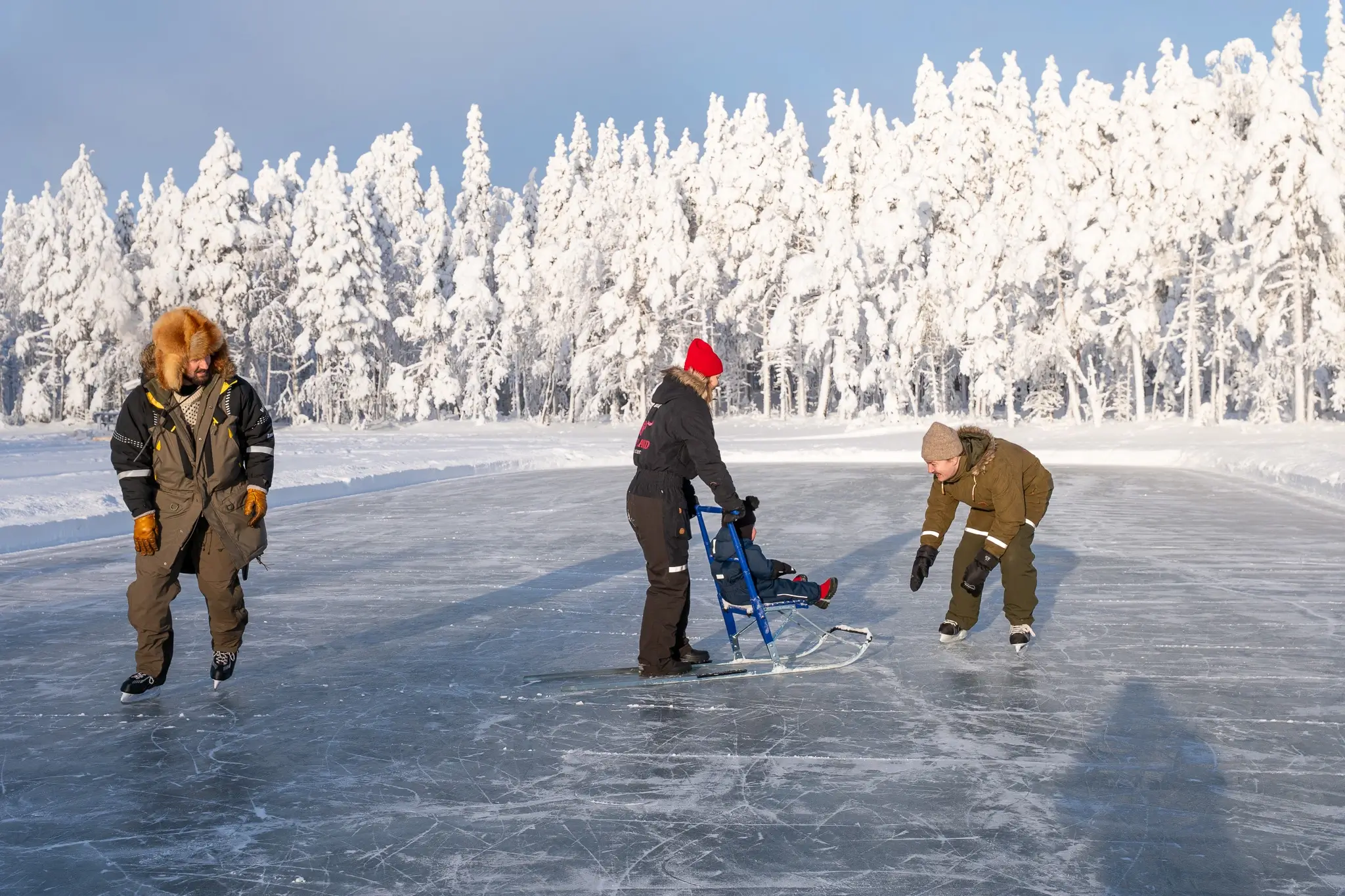
Lupland Activity Park
A three-hour all-in-one winter visit to Lupland's private wilderness pond with snowmobile sleigh transport, reindeer time, natural ice skating, campfire snacks, sauna and ice bathing included.
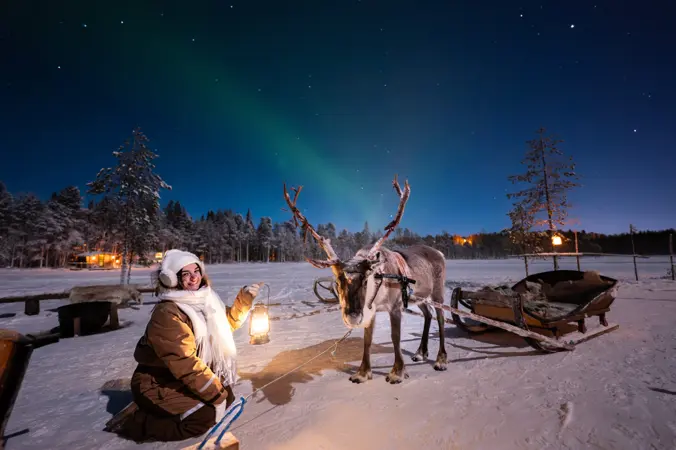
Lupland Aurora Activity Park
A three-hour evening at Lupland's private activity park with reindeer, natural ice skating, campfire snacks, sauna and ice bathing included, plus the chance to see the northern sky.
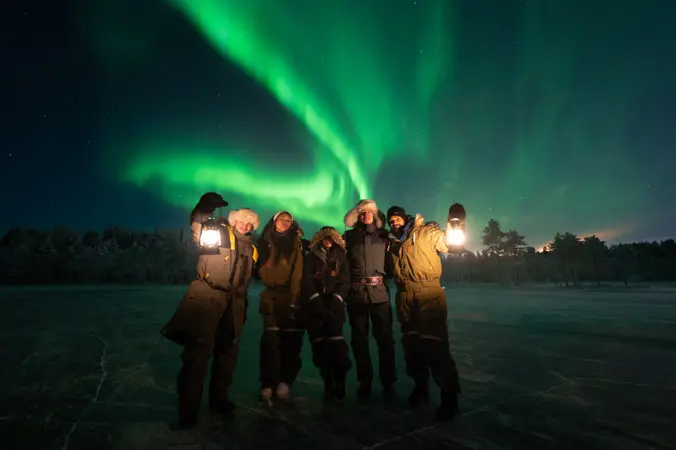
Northern Lights hunting
A 3-4 hour Northern Lights excursion starting at 20:00, guided by a local expert to a northern-sky viewing spot with campfire, warm drinks and snacks.
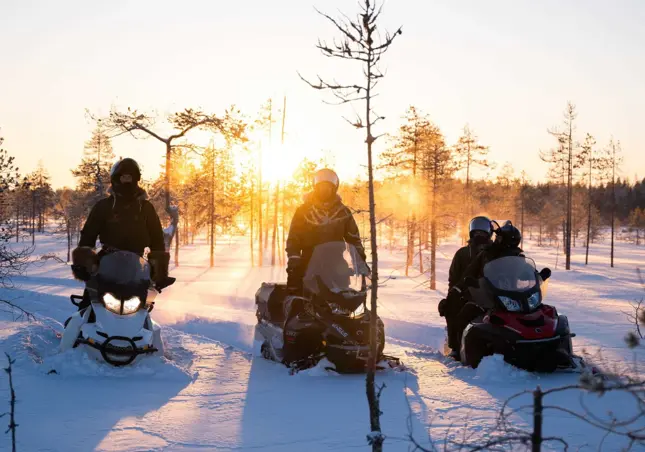
Snowmobiling Adventure
A one-hour guided snowmobile safari where you learn the basics with a professional instructor and ride across snowy winter lake landscapes.
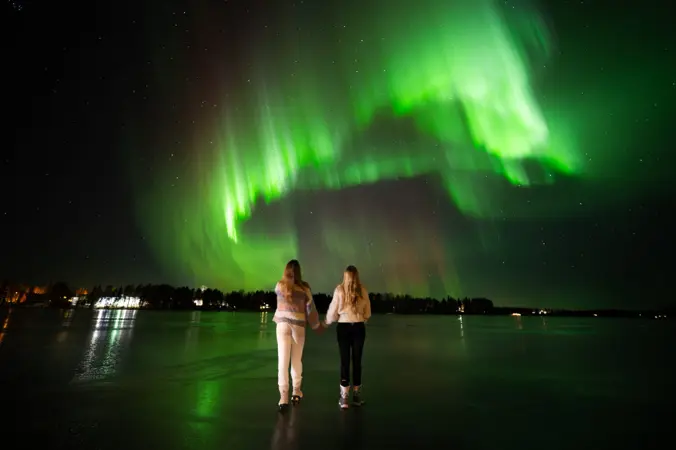
Northern Lights Hunting 6h
A 6-8 hour Northern Lights hunting expedition where your guide uses weather and aurora maps to choose the best route for seeing the auroras.
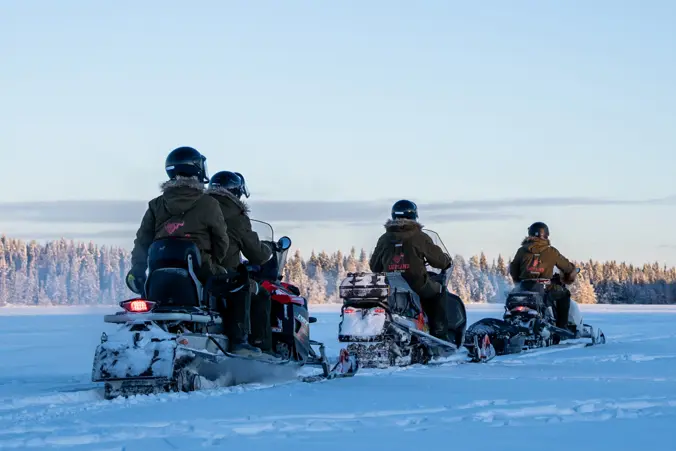
Snowmobiling Adventure 2h
A two-hour guided snowmobile safari where you learn the basics with a professional instructor and ride across snowy winter lake landscapes.
transportation
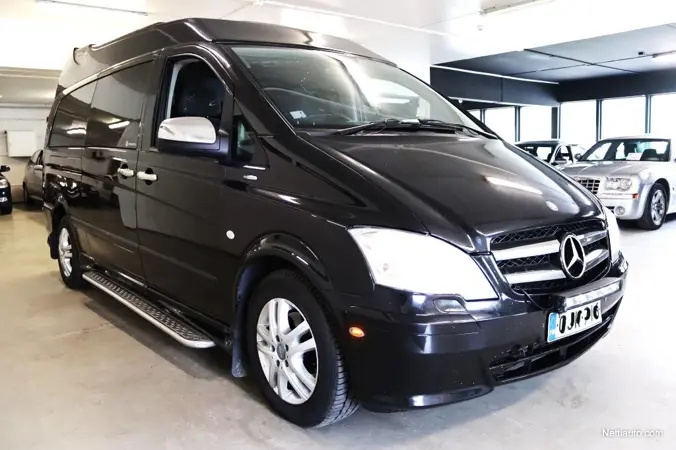
Ranua to Rovaniemi taxi
A direct transfer product for travelers moving from Ranua to Rovaniemi with straightforward booking and confirmed pickup details.
Rovaniemi to Ranua taxi
A direct transfer product for travelers moving from Rovaniemi to Ranua with a clear booking path and confirmed pickup details.
Summer and autumn activities
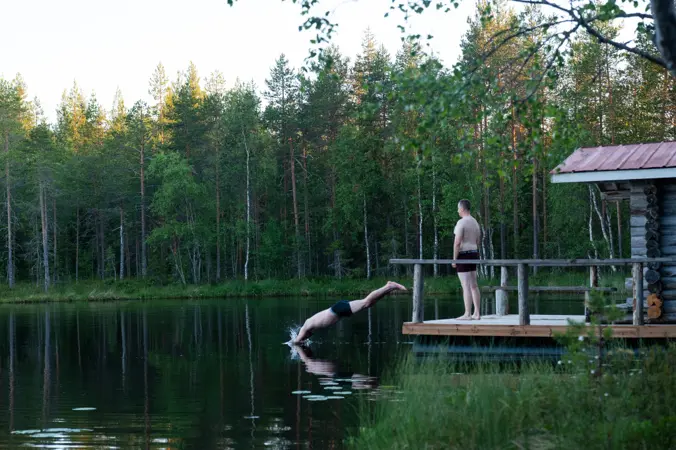
Lupland Summer Activity Park
A private three-hour summer experience by a clean forest lake in Ranua, combining sauna, swimming, fishing, canoeing, SUP boarding, e-fatbikes, yard games and campfire time in a traditional kota.
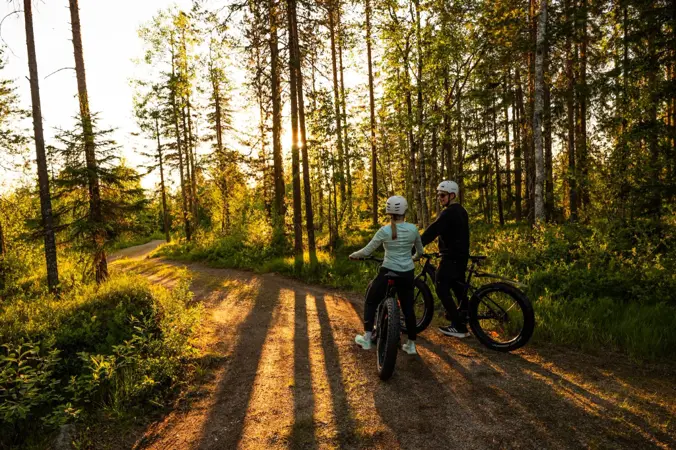
Guided e-fatbike tour
A 2.5-hour guided e-fatbike tour in Ranua nature, with routes chosen by group skill level and drinks and snacks enjoyed at scenic spots.
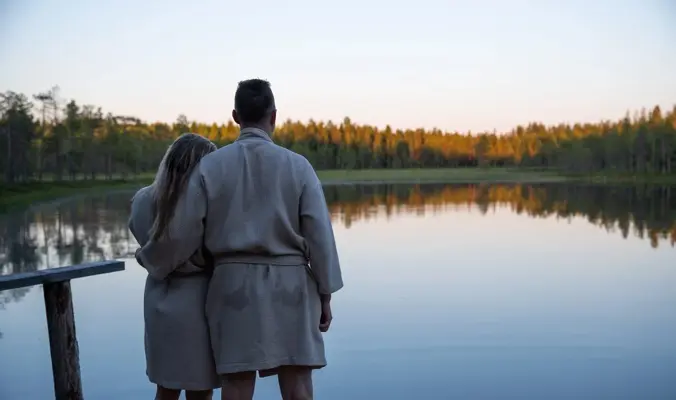
Private Sauna & Swimming on a Lapland Wilderness Lake
A private Finnish sauna and swimming experience from 17:00 to 19:00 on a secluded Lapland wilderness lake, with campfire snacks and a local guide.
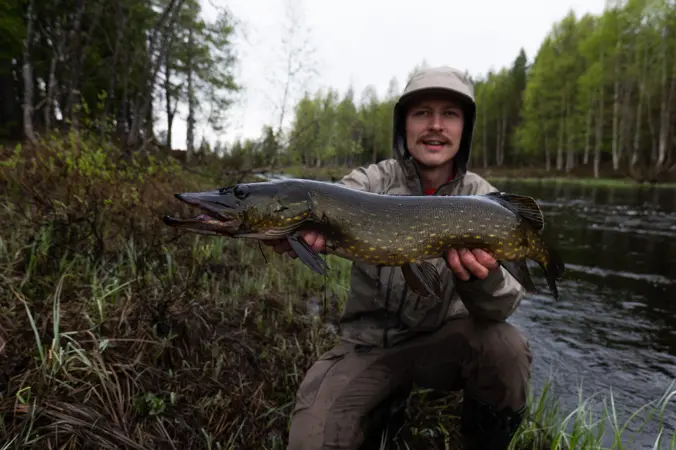
Guided fishing trip to Simojoki River
A 5-hour guided fishing trip on the Simojoki River, mainly by boat, with pike and perch as the main target species, soup lunch and campfire cooking of the catch if fish are caught.
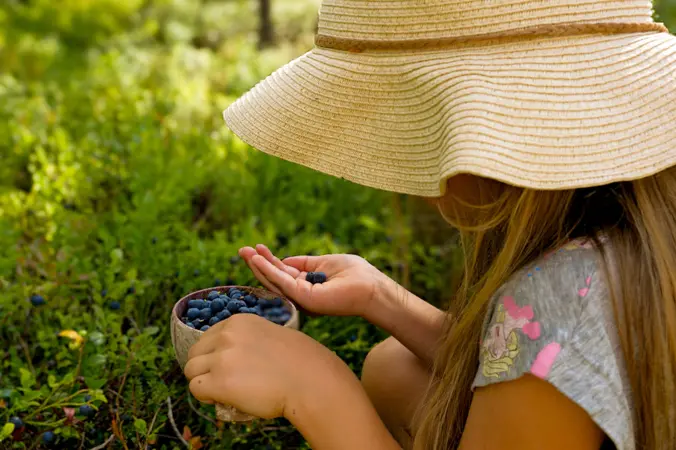
Guided Berry Picking Trip with a Local Guide
A guided 3-hour berry picking trip in Ranua from 15 July to the end of September, led by a local guide with equipment, hot drink and snacks included.
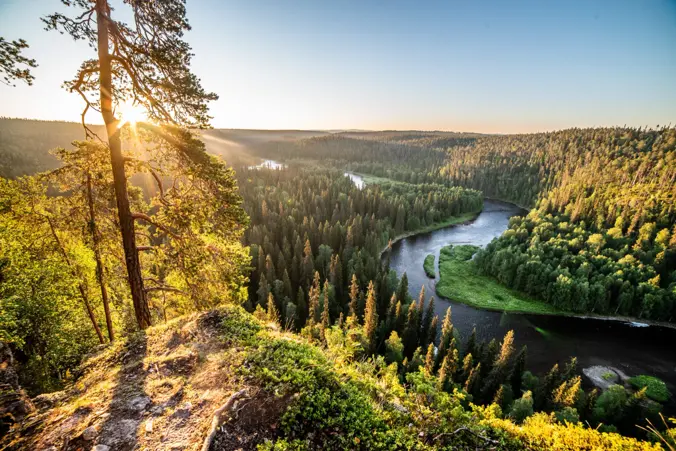
Kuusamo Oulanka Adventure Package from Ranua
A full-day guided Oulanka National Park adventure from Ranua, visiting Pähkänäkallio and Myllykoski with forest trails, river scenery, snacks and drinks.
Packages

A Taste of Lapland – 3 Nights
A 3-night taste of Lapland in Ranua: reindeer, snowmobiles and Northern Lights. Return Rovaniemi Airport transfers, half board and a private Aurora Lodge with a patio jacuzzi included.

Lapland, Unhurried – 4 Nights
Slow down with 4 nights in Ranua and a visit to Ranua Wildlife Park. Your private Aurora Lodge with patio jacuzzi, half board and return Rovaniemi Airport transfers are included.

The Lapland Way – 5 Nights
A 5-night winter stay in Ranua with ice fishing, Ranua Wildlife Park and guided adventures. Relax in your private Aurora Lodge with patio jacuzzi. Half board and return Rovaniemi Airport transfers included.

Lupland Flexible Wildlife Escape
Your private Aurora Lodge with a patio jacuzzi and Lapland experiences, at your own pace. Choose 2–10 days in Ranua, with half board and return Rovaniemi Airport transfers included.
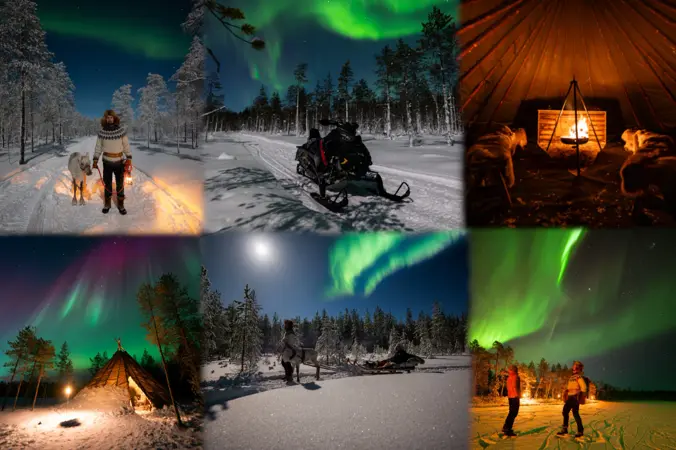
Aurora Escape - 3-Day Lapland Adventure Under the Northern Sky
Three unforgettable Ranua winter days filled with Northern Lights moments, nighttime snowmobiling, reindeer encounters, Aurora Activity Park, sauna, ice bath and cozy campfire breaks.
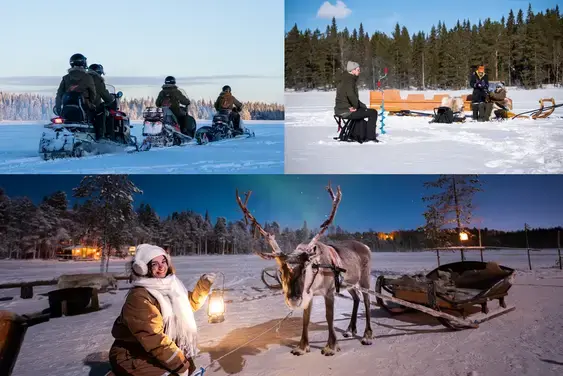
Experience Like a Local - 1-Day Lapland Adventure Package
A perfectly timed day-and-evening Ranua winter package combining an ice fishing and snowmobile adventure from 10:00 to 14:00 with Aurora Activity Park and reindeer encounters from 19:00 to 22:00.

Plan by destination
Start with the question you need to solve, then compare products and book from the exact activity page.
Things to do in Ranua: activities, wildlife and seasons
Build a one-day or multi-day Ranua plan by season.
Open guide →Northern Lights in Ranua: a local guide
Compare stationary and mobile Northern Lights evenings.
Open guide →Activities from Rovaniemi to Ranua
Check travel time, pickup and total duration from Rovaniemi.
Open guide →What are the Northern lights?
The Northern Lights, also known as aurora borealis in the northern hemisphere, are a light phenomenon that most commonly occurs at high latitudes near the Arctic Circle. They are produced when particles from the sun, guided by Earth's magnetic field, collide with atoms and molecules in the atmosphere, resulting in the release of light. The Northern Lights can appear in various colors, most commonly green, and create mysterious dancing light patterns in the sky. This phenomenon occurs in both the northern and southern hemispheres, where it is called aurora australis. The activity of the Northern Lights varies according to the 11-year solar activity cycle.
When you can see Northern lights?
The Northern Lights are most common from September to March, when nights are longest and darkest, but they can also be seen during the dark moments of April. The best times for observing are often later in the evening and into the early morning, roughly between 21:00 and 02:00. This window offers the best chances for viewing the Northern Lights, as atmospheric disturbances are minimal and the sky is sufficiently dark. The brightness of the auroras varies from night to night, depending on solar activity.
Where can you see the Northern lights?
In Finland, the Northern Lights can best be seen in Lapland, where they are common during the autumn, winter, and spring months, especially from September to March, when the skies are clear and dark. Aurora viewing is particularly good in places like Ranua, where they can be admired on up to 100 nights a year.
Best chances to see Northern Lights
Firstly, one must be at a sufficiently high latitude, as the Northern Lights most commonly occur near the Arctic Circle. Secondly, particle radiation from the sun must be active, and it reaches the Earth's magnetic field, which causes the auroras to glow. In addition, local weather conditions, such as clear skies, are crucial for observing the Northern Lights from the ground. It is also important to note that the Northern Lights are best seen in locations without street lights or the lights of villages and cities.
Mythology of the Northern lights
Finnish tales often depict the Northern Lights as sparks caused by great battles in the sky or by the tails of fire foxes. Native American stories in North America see the Northern Lights as a dance of their ancestors in the sky, while in Scandinavian mythology, they can be associated with the activities of gods and valkyries. These stories reflect a deep respect and admiration for the beauty and power of nature.
Reindeer in Ranua
Reindeer are an integral part of the culture and nature of Lapland. They are domesticated animals that have been used by the indigenous Sámi people for thousands of years for transportation, food, and clothing. Reindeer herding is still an important livelihood in Lapland, and reindeer can be seen roaming freely in the wild. In Ranua, reindeer are also a popular attraction, and visitors can experience reindeer sleigh rides and learn about their significance in local culture.